



Calcium Channel
Calcium channels generate intracellular Ca2+ signals by mediating Ca2+ entry during depolarization in excitable cells[1]. These signals support neurotransmitter release, hormone release, excitation-contraction coupling, pacemaker activity, gene transcription, and synaptic plasticity[1][2]. Mechanistically, adrenergic agonists increase cardiac Ca2+ influx through PKA phosphorylation of Rad, which releases inhibition of calcium channels and enhances contractility[3]. In disease research, CACNA1C/CaV1.2 links L-type calcium channel signaling to bipolar disorder, depression, schizophrenia, autism spectrum disorders, brain function, and rodent antidepressant-like behavioral actions of LTCC inhibitors[4]. Compared with related isoforms, CaVα1 splice variants show tissue-specific expression, distinct protein-domain composition, and different pharmacological sensitivities[5]. CaV2.2 e37a is enriched in nociceptors and couples N-type calcium channels to voltage-independent G protein inhibition by µ-opioid and GABA_B receptors[6]. For experimental applications, blockers, toxins, gene-knockout models, agonists, and inhibitors help dissect channel-specific functions and guide next-generation CaV channel modulators[1][5].
References:
- [1]. Striessnig J, et al. Exploring the function and pharmacotherapeutic potential of voltage-gated Ca2+ channels with gene knockout models. Channels (Austin). 2008 Jul-Aug;2(4):233-51. [Content Brief]
- [2]. Prakriya M. Calcium and cell function. J Physiol. 2020 May;598(9):1647-1648. doi: 10.1113/JP279541. PMID: 32350889; PMCID: PMC7885240. et al. Calcium and cell function. J Physiol. 2020 May;598(9):1647-1648. [Content Brief]
- [3]. Papa A, et al. Adrenergic Regulation of Calcium Channels in the Heart. Annu Rev Physiol. 2022 Feb 10;84:285-306. [Content Brief]
- [4]. Bhat S, et al. CACNA1C (Cav1.2) in the pathophysiology of psychiatric disease. Prog Neurobiol. 2012 Oct;99(1):1-14. [Content Brief]
- [5]. Lipscombe D, et al. Calcium Channel CaVα₁ Splice Isoforms - Tissue Specificity and Drug Action. Curr Mol Pharmacol. 2015;8(1):22-31. [Content Brief]
- [6]. Lipscombe D, et al. Alternative splicing matters: N-type calcium channels in nociceptors. Channels (Austin). 2007 Jul-Aug;1(4):225-7. [Content Brief]
All Product Categories
-
Calcium Channel Inhibitors
(440)
View all products
-
Calcium Channel Agonists
(29)
View all products
-
Calcium Channel Antagonists
(147)
View all products
-
Calcium Channel Activators
(75)
View all products
-
Calcium Channel Modulators
(41)
View all products
-
Calcium Channel Chemical
(1)
View all products
-
Calcium Channel Inducers
(9)
View all products
-
Calcium Channel Controls
(7)
View all products
-
Calcium Channel Ligands
(7)
View all products
-
Calcium Channel Related Products (956)
Related Products (956)

-
Ionomycin
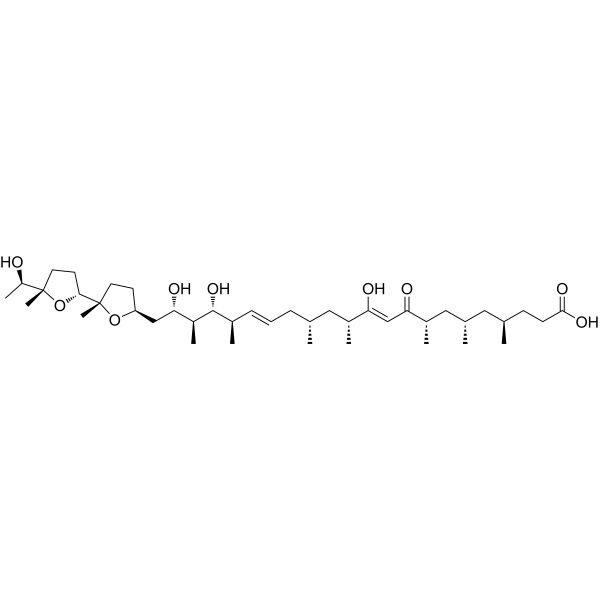 0 ImagesSynonyms: SQ23377Ionomycin (SQ23377) is a potent, selective calcium ionophore and an antibiotic produced by Streptomyces conglobatus. Ionomycin (SQ23377) is highly specific for divalent cations (Ca>Mg>Sr=Ba). Ionomycin (SQ23377) promotes apoptosis. Ionomycin also induces the activation of protein kinase C (PKC).
-
Mito-TEMPO
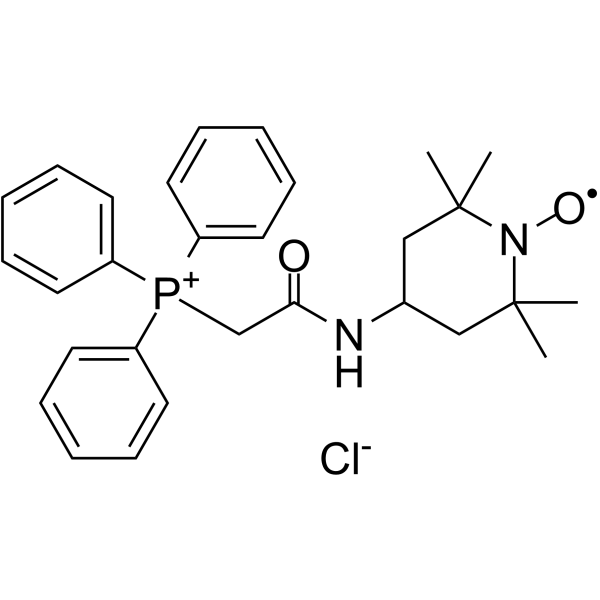 0 ImagesMito-TEMPO is a mitochondria-targeted antioxidant. Mito-TEMPO induces mitophagy by activating the PINK1/Parkin pathway, inhibits NLRP3 inflammasome activation, restores mitochondrial membrane potential, and improves renal function and podocyte injury. Mito-TEMPO regulates Ca2+ homeostasis, inhibits Bnip3 overexpression, shortens action potential duration, and exerts antiarrhythmic effects. Mito-TEMPO reverses premature senescence, reduces trabecular bone loss, and decreases cell apoptosis. Mito-TEMPO can be used in studies of chronic kidney disease, age-related cardiac dysfunction, postmenopausal osteoporosis, and ischemic stroke.
-
2-Aminoethyl diphenylborinate
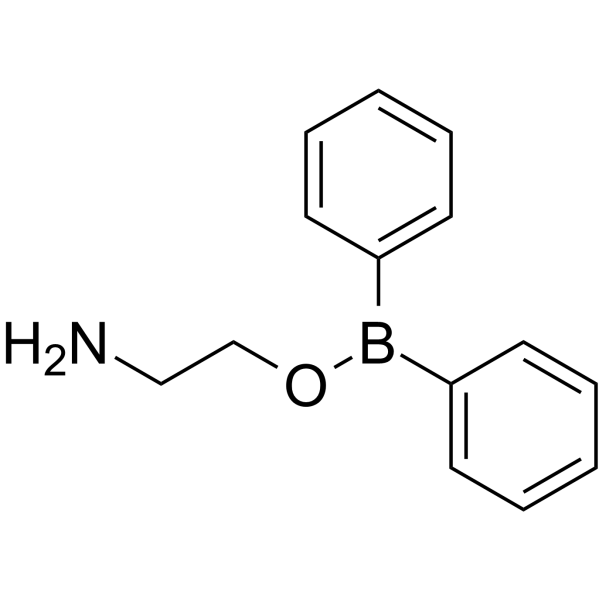 0 ImagesSynonyms: 2-APB2-Aminoethyl diphenylborinate (2-APB) is a cell-permeable inhibitor of Inositol triphosphate receptor (IP3R). 2-Aminoethyl diphenylborinate also inhibits the store-operated Ca2+ (SOC) channel and activates some TRP channels (V1, V2 and V3). Additionally, 2-Aminoethyl diphenylborinate has inhibitory effects on vasospasm. At high concentrations, it exhibits specific anti-inflammatory and antioxidant effects in neural tissue.
-
Ionomycin calcium
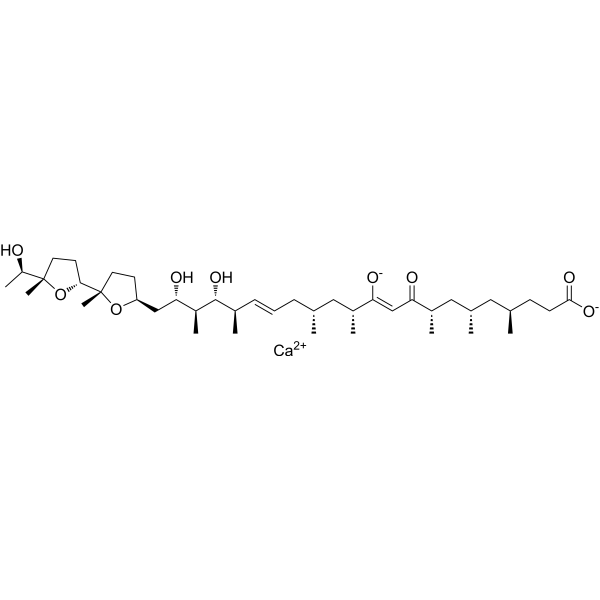 0 ImagesSynonyms: SQ23377 calciumIonomycin calcium (SQ23377 calcium) is a potent, selective calcium ionophore and an antibiotic produced by Streptomyces conglobatus. Ionomycin calcium (SQ23377 calcium) is highly specific for divalent cations (Ca>Mg>Sr=Ba). Ionomycin (SQ23377) promotes apoptosis. Ionomycin calcium (SQ23377 calcium) also induces the activation of protein kinase C (PKC).
-
Plantainoside D
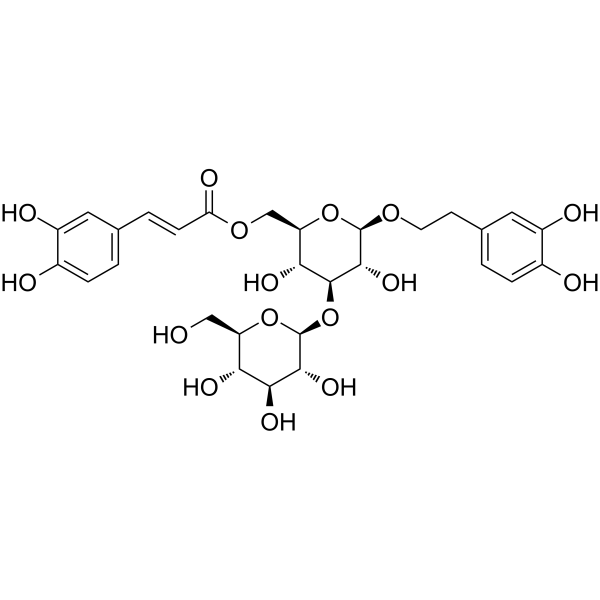 0 ImagesPlantainoside D, a phenylethanoid glycosides, is a IKK-β inhibitor with diverse biological activities. Plantainoside D shows inhibitory activity of angiotensin-converting enzyme (ACE) with an IC50 of 2.17 mM. Plantainoside D significantly reduces the release of glutamate from nerve terminals in the cerebral cortex of rats by inhibiting the voltage-dependent calcium channel (VDCCs) and protein kinase C (PKC) signaling cascade. Plantainoside D significantly alleviates cell apoptosis by inhibiting the generation of ROS and the activation of NF-κB. Plantainoside D significantly improves acute lung injury (ALI) induced by sepsis by regulating the Sirt3/NLRP3 signaling pathway. Plantainoside D can be used for the study of neuroprotection, antioxidant, anti-inflammation, antihypertension.
-
Minocycline hydrochloride (Standard)
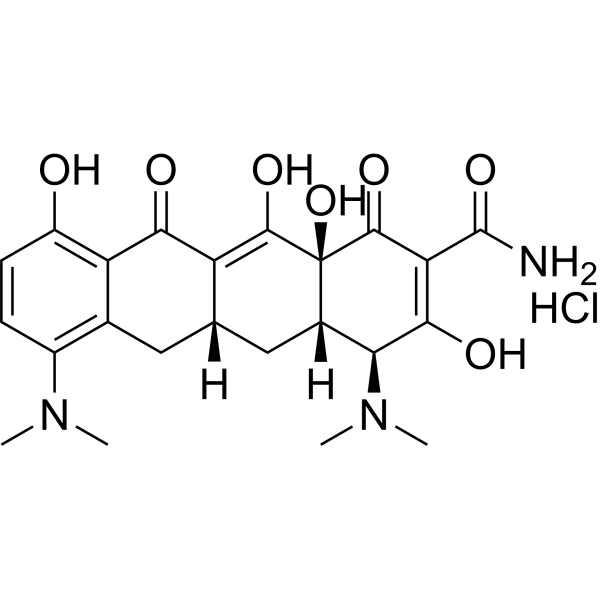 0 ImagesMinocycline (hydrochloride) (Standard) is the analytical standard of Minocycline (hydrochloride). This product is intended for research and analytical applications. Minocycline hydrochloride is an orally active, potent and BBB-penetrated semi-synthetic tetracycline antibiotic. Minocycline hydrochloride is a hypoxia-inducible factor (HIF)-1α inhibitor. Minocycline hydrochloride shows anti-cancer, anti-inflammatory, and glutamate antagonist effects. Minocycline hydrochloride reduces glutamate neurotransmission and shows neuroprotective properties and antidepressant effects. Minocycline hydrochloride inhibits bacterial protein synthesis through binding with the 30S subunit of the bacterial ribosome, resulting in a bacteriostatic effect.
-
L-Ascorbic acid (GMP)
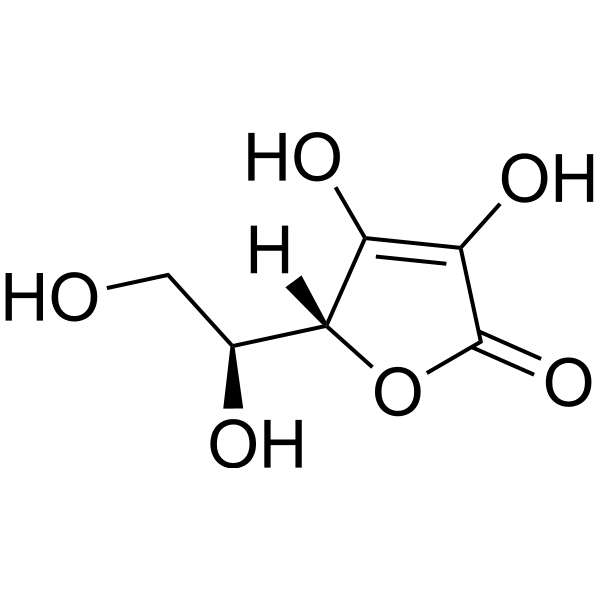 0 ImagesL-Ascorbic acid (L-Ascorbate) (GMP) is Ascorbic acid (HY-B0166) produced by using GMP guidelines. GMP small molecules works appropriately as an auxiliary reagent for cell therapy manufacture. L-Ascorbic acid is an inhibitor of Cav 3.2 channels.
-
Nifedipine
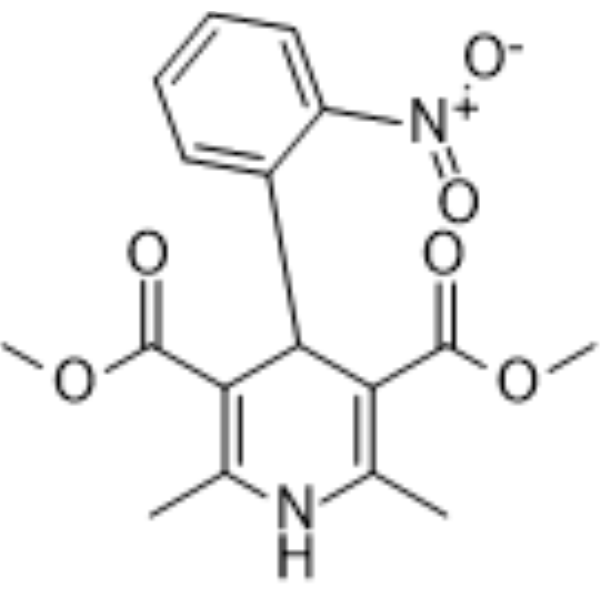 0 ImagesSynonyms: BAY-a-1040Nifedipine (BAY-a-1040) is a potent calcium channel blocker and agent of choice for cardiac insufficiencies.
-
Eloralintide
 0 ImagesSynonyms: LY-3841136Eloralintide (LY-3841136) is an amylin receptor agonist with human AMY1R EC50 23.9 pM and human AMY3R EC50 253.8 pM. Eloralintide induces decreased appetite, reduced food intake, body weight and fat mass loss, prolonged plasma calcium2+ reduction, and weak conditioned taste avoidance. Eloralintide can be used for the research of obesity.
-
Carbamazepine
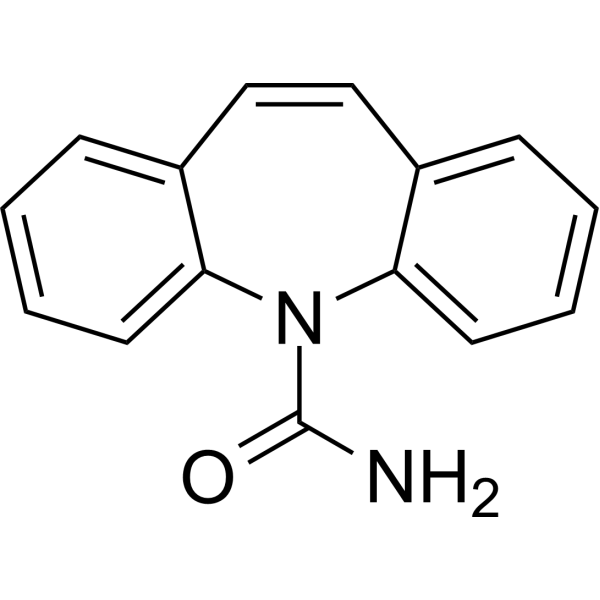 0 ImagesCarbamazepine is an orally active pressure-sensitive sodium ion channel blocker with an IC50 of 131 μM. Carbamazepine blocks voltage gated Na+, Ca2+, and K+ channels, and is also a HDAC inhibitor (IC50: 2 μM). Carbamazepine is an anticonvulsant and can be used for research of epilepsy and neuropathic pain.
-
PACAP (1-38), human, ovine, rat
 0 ImagesSynonyms: Pituitary Adenylate Cyclase Activating Polypeptide 38PACAP (1-38), human, ovine, rat is a PAC1 receptor agonist. PACAP (1-38), human, ovine, rat binds to PACAP type I receptor, PACAP type II receptor VIP1, and PACAP type II receptor VIP2 with IC50s of 4 nM, 2 nM, and 1 nM, respectively. PACAP (1-38), human, ovine, rat increases the α-secretase activity. PACAP (1-38), human, ovine, rat elevates cytosolic Ca2+, increases proliferation and increases phosphorylation of extracellular regulates kinase (ERK) and the epidermal growth factor receptor (EGFR). PACAP (1-38), human, ovine, rat demonstrates potent, efficacious, and sustained stimulatory effects on sympathetic neuronal NPY and catecholamine production. PACAP (1-38), human, ovine, rat can be used for neurotrophic and neuroprotective research.
-
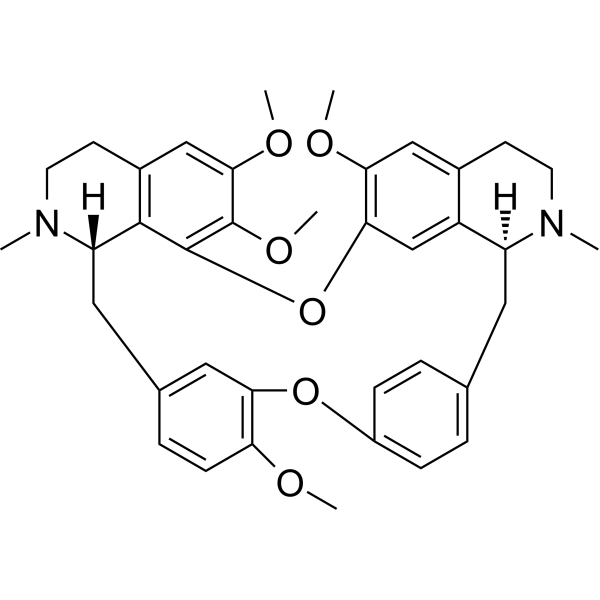
ISX-9
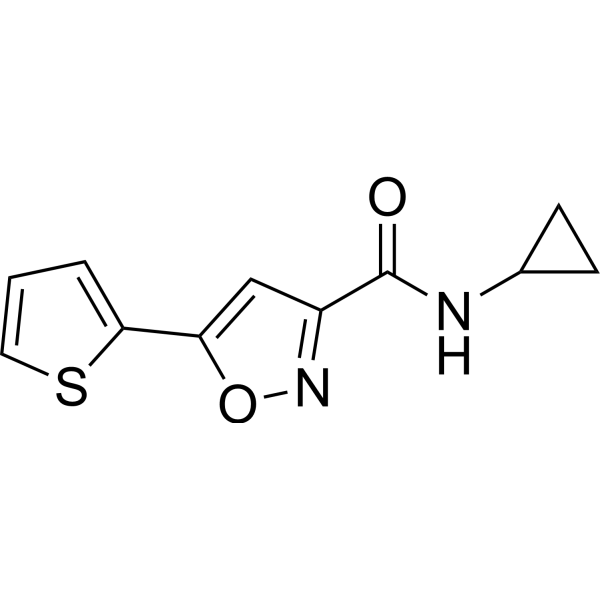 0 ImagesSynonyms: Isoxazole 9ISX-9 (Isoxazole 9) is a potent inducer of adult neural stem cell differentiation. ISX-9 activates Ca2+ influx through both voltage-gated Ca2+ channels and NMDA receptors and increases neuroD expression. ISX-9 also induces cardiomyogenic differentiation of Notch-activated epicardium-derived cells (NECs).
-
Spironolactone
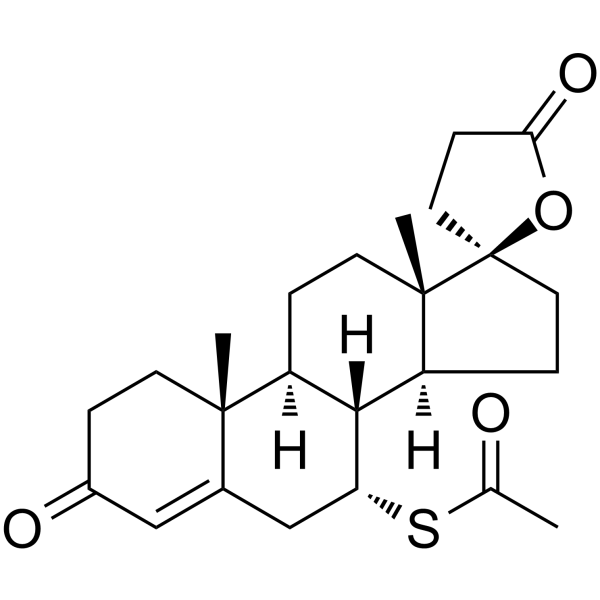 0 ImagesSpironolactone is an aldosterone antagonist that acts on the aldosterone mineralocorticoid receptor (IC50=24 nM) and androgen receptor (IC50=77 nM), promotes podocyte autophagy and regulates pain. Spironolactone improves hypertension-related vascular hypertrophy and remodeling by reducing angiotensin II (Ang II)-induced inflammation, reduces aldosterone-induced vascular and soft tissue calcification through PIT1-dependent signaling, and alleviates vascular dysfunction in type II diabetic mice by reducing oxidative stress and restoring NO/GC signaling; at low concentrations, it and its metabolites can interfere with aldosterone biosynthesis in the adrenal cortex and inhibit voltage-dependent Ca2+ channels to exert antihypertensive effects.
-
Coelenterazine h
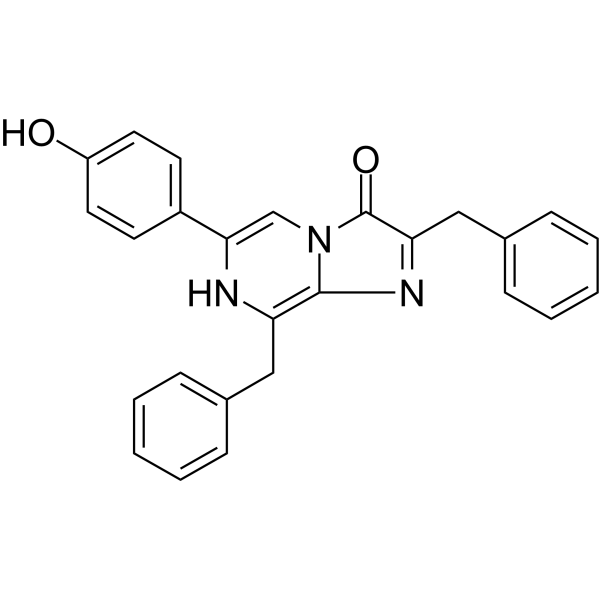 0 ImagesSynonyms: 2-Deoxycoelenterazine; CLZN-h
-
Nimodipine
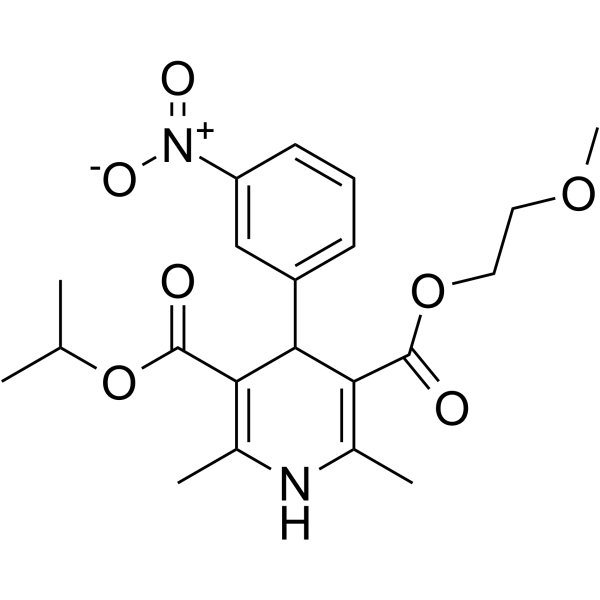 0 ImagesSynonyms: BAY-e 9736Nimodipine (BAY-e 9736) is an orally active, well-tolerated and light-sensitive dihydropyridine calcium antagonist. Nimodipine can be used for the research of cerebrovascular disorders.
-
Dantrolene
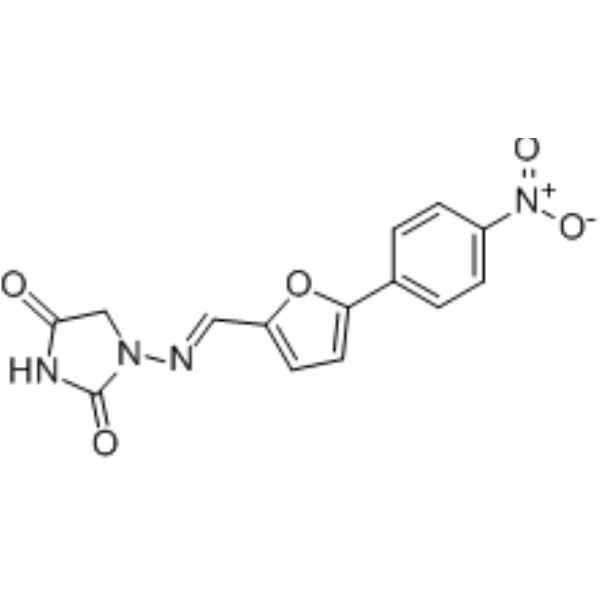 0 ImagesDantrolene is an orally active, non-competitive glutathione reductase inhibitor with a Ki of 111.6 μM and an IC50 of 52.3 μM. Dantrolene is also a calcium channel protein inhibitor. Dantrolene inhibits the release of Ca2+ from RyR1 and RyR3, which can be beneficial in a variety of pathologies caused by disruptions in calcium homeostasis (e.g., stroke, ischemia/reperfusion injury, and neurodegenerative diseases). Dantrolene offers relief of muscle spasms, malignant hyperthermia, and antitoxic, antipyretic, and anti-inflammatory properties.
-
Candidalysin
 0 ImagesCandidalysin is a cytolytic peptide toxin secreted by the fungus Candida albicans. Candidalysin drives epithelial immune responses by activating the EGFR-MAPK signaling pathway, inducing MMP expression and calcium influx, and regulating the c-Fos transcription factor and MKP1 via p38 MAPK and ERK1/2 respectively. Candidalysin is essential for mucosal and systemic infections, activating NLRP3 to promote inflammatory responses, neutrophil recruitment, and Th17 immunity. Candidalysin activates LDH causing membrane damage and exhibiting cytotoxicity



